
Sound Healing Unveiled: Ancient Roots, 432Hz & 528Hz Benefits for Anxiety Relief
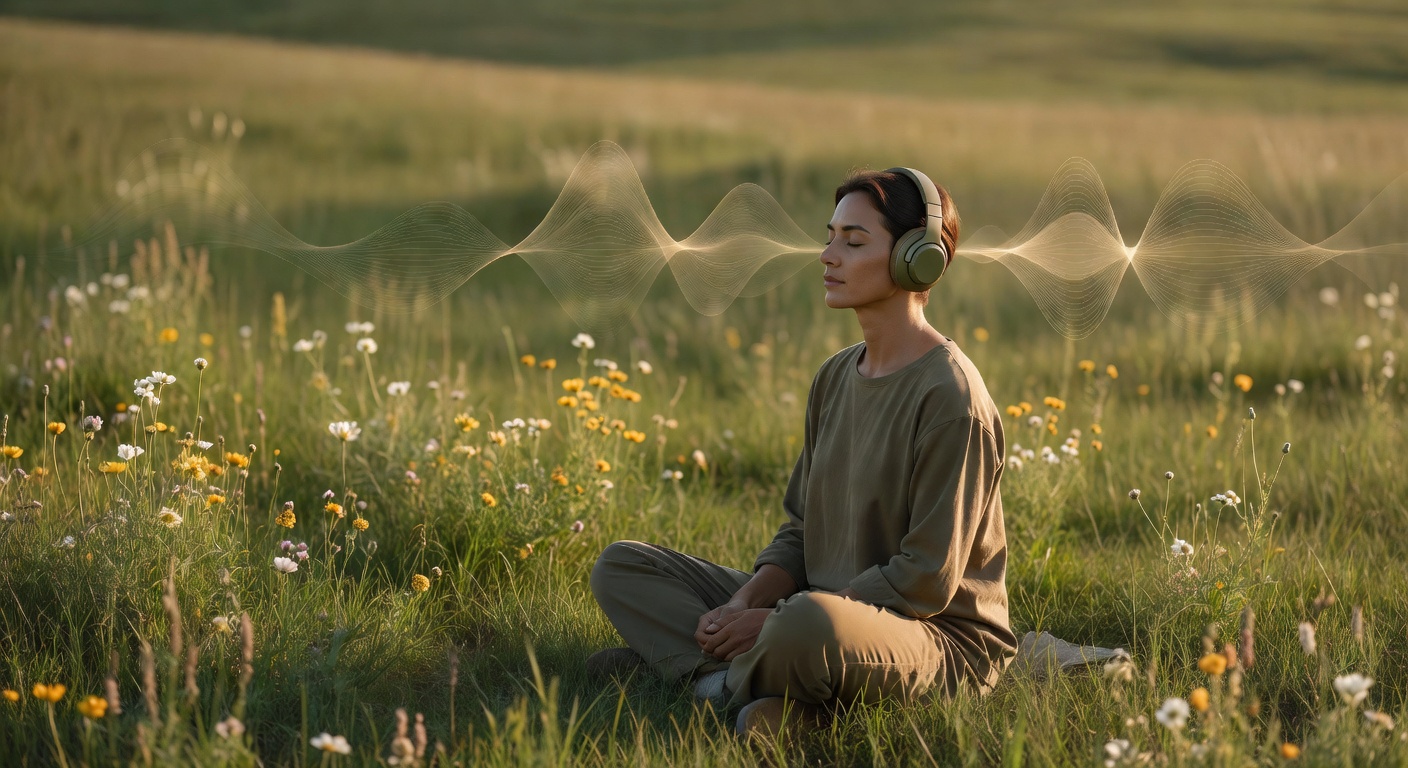
Picture this: You've just finished a grueling 12-hour shift in the ER, your body humming with the residue of beeping monitors and urgent decisions. Your mind races, your shoulders are tight, and your stress is still running high. What if a simple pair of headphones and a frequency-tuned track could help you slow it all down? Welcome to sound healing, a gentle companion for frontline healthcare workers, caregivers, and anyone wrestling with burnout. It's not magic—it's an ancient practice that many people find soothing, and researchers are still exploring how it works.
In the pages of Mindful Rezset, we're your companion on this journey, grounding you in tools that fit seamlessly into chaotic days. Let's trace sound healing from its timeless origins to 432Hz music and the 528Hz frequency, and look at how people use them as a calming listening practice.
The Ancient Roots of Sound Healing
Ancient sound healing isn't a modern fad—it's woven into humanity's oldest stories. In ancient Egypt, priests are said to have chanted in stone chambers, using vocal tones and instruments like sistrums in ritual to honor body and spirit, much like how you might seek equilibrium after endless patient rounds.
Travel to India, where Vedic traditions birthed Nada Yoga—the yoga of sound. Practitioners intoned mantras and ragas, believing vibrations connected the physical and subtle bodies. These weren't mere melodies; they were practices of devotion and harmony, echoing the respite caregivers crave amid emotional tempests.
Greece offered Pythagoras, the mathematician-mystic who saw the universe as a symphony of ratios. Across the world in China and Tibet, singing bowls and gongs rippled through temples, their overtones believed by practitioners to dissolve blockages—like clearing fog from a weary mind after back-to-back shifts.
These beliefs come from tradition rather than lab science. Even so, many people today find that sitting with resonant sound helps them pause and settle.
Modern Echoes: Tesla, Jung, and the Rediscovery
Fast-forward to the 20th century. Nikola Tesla, that electric visionary, proclaimed, "If you want to find the secrets of the universe, think in terms of energy, frequency, and vibration." He wasn't prescribing playlists, but his words inspire today's sound healing explorations.
Carl Jung, the psychological pioneer, was deeply interested in the inner world, and many people find chants and tones a gentle bridge to quiet reflection—perhaps especially helpful for caregivers carrying the weight of others' pain.
Today, researchers continue to study how music and sound affect the body and mind, and the findings so far are early and mixed. Many people simply find that listening helps them shift from a keyed-up state toward a calmer one.
432Hz Music: Tuning into Calm
Why 432Hz Over Standard Tuning?
432Hz music hums at what some call nature's frequency, contrasting the common 440Hz pitch. Some listeners describe it as deeply relaxing, though research on 432Hz specifically is limited. Imagine slipping into bed post-shift, letting these waves mimic a forest stream while you rest.
Whether 432Hz differs from other calm music in any measurable way is still an open question. What you can do is listen for a few minutes and notice how it feels for you. It's like a sonic hug for a tired day, and you decide whether it fits.
528Hz Frequency: The Love Note
Honest Limits
Dubbed the "miracle tone," the 528Hz frequency sits in the Solfeggio scale. A few small studies have explored it, but the evidence is limited and not conclusive. We don't claim it lowers stress hormones or changes your brainwaves. Many people simply enjoy it as a warm, uplifting sound for a quiet pause.
Claims of DNA repair? Exciting, but unproven in rigorous trials—let's stay grounded. What we can say is that listening to calming music is something many people use to unwind. For you, it can be a five-minute break and a chance to notice what feels like ease.
- Plays well with breathwork: Inhale calm, exhale tension.
- May lift your mood, if you find the sound uplifting.
- Non-verbal, perfect for word-weary pros.
Your Sound Healing Toolkit: Safe Steps Forward
Ready to experiment? Start small. Queue 432Hz music on free apps during commutes. Try 528Hz frequency tracks at dawn, pairing with gentle stretches. Use bowls if you have them—strike, listen, let vibrations settle like dust after a storm.
Combine with journaling: What shifted? Track wins. Reach out to a qualified professional if deep trauma lurks, and see this as a gentle companion for the daily grind.
In a world of sirens and sighs, reclaim your rhythm—one frequency at a time.
The Resonant Path Ahead
From Egyptian chants to your playlist, sound healing endures because many people find comfort in it. Whether it's 432Hz music or the 528Hz frequency, the invitation is the same: take a few quiet minutes, blending ancient sound healing wisdom with a modern pause. You're not just surviving shifts; you're giving yourself room to breathe.
Here at Mindful Rezset, we're with you. Press play, breathe deep, and let the waves carry you home to yourself.
A note on these practices: listening to sound and frequency tracks is a non-clinical wellness practice that some people find supportive for their own personal calm. It is not medical advice, treatment, or a promise to fix any condition. Research on specific frequencies such as 432Hz and 528Hz is limited, so please look at reliable research for yourself, and speak with your healthcare provider about any health concerns.