Sound Healing Unveiled: Ancient Roots, 432Hz & 528Hz Benefits for Anxiety Relief
Picture this: You've just finished a grueling 12-hour shift in the ER, your body humming with the residue of beeping monitors and urgent decisions. Your mind races, cortisol levels spiking like an unchecked IV drip. What if a simple pair of headphones and a frequency-tuned track could dial it all down? Welcome to sound healing, a gentle ally for frontline healthcare workers, caregivers, and anyone wrestling with burnout. It's not magic—it's an ancient practice backed by emerging science, offering sound frequency benefits that soothe the nervous system without a prescription.
In the pages of Mindful Rezset, we're your companion on this journey, grounding you in tools that fit seamlessly into chaotic days. Let's trace sound healing from its timeless origins to the resonant power of 432Hz music and the 528Hz frequency, exploring how they support music therapy for anxiety.
The Ancient Roots of Sound Healing
Ancient sound healing isn't a modern fad—it's woven into humanity's oldest stories. In ancient Egypt, priests chanted over stone chambers, using vocal tones and instruments like sistrums to align body and spirit. Hieroglyphs depict healers wielding sound to balance energies, much like how you might seek equilibrium after endless patient rounds.
Travel to India, where Vedic traditions birthed Nada Yoga—the yoga of sound. Practitioners intoned mantras and ragas, believing vibrations pierced the veil between physical and subtle bodies. These weren't mere melodies; they were prescriptions for harmony, echoing the respite caregivers crave amid emotional tempests.
Greece offered Pythagoras, the mathematician-mystic who saw the universe as a symphony of ratios. His monochord tuned souls to cosmic order. Across the world in China, Tibetan singing bowls and gongs rippled through temples, their overtones believed to dissolve blockages—like clearing fog from a weary mind after back-to-back shifts.
These cultures didn't have MRIs, yet they intuitively grasped vibration's power. Sound waves permeate water-rich human bodies (we're 60% H2O, after all), influencing cells much as ocean waves shape shores.
Modern Echoes: Tesla, Jung, and the Rediscovery
Fast-forward to the 20th century. Nikola Tesla, that electric visionary, proclaimed, "If you want to find the secrets of the universe, think in terms of energy, frequency, and vibration." He wasn't prescribing playlists, but his insights fuel today's sound healing explorations.
Carl Jung, the psychological pioneer, delved into sound's archetypal pull. He viewed chants and tones as bridges to the unconscious, tools for integrating shadows—perfect for caregivers processing the weight of others' pain without losing themselves.
Today, this convergence meets science. Labs measure how sound alters brainwaves, shifting from beta (stress) to alpha (calm), offering a non-invasive reset for burnout's grip.
432Hz Music: Tuning into Calm
Why 432Hz Over Standard Tuning?
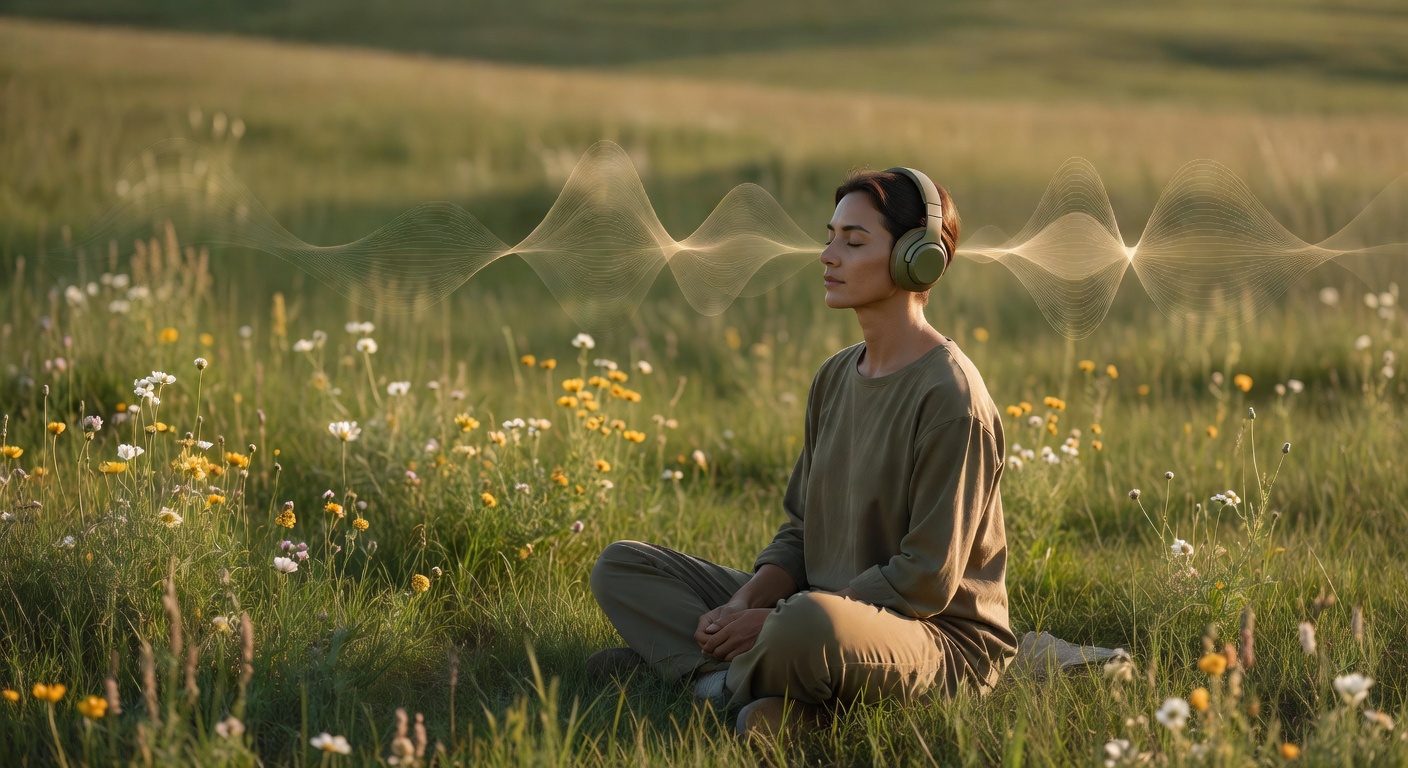
432Hz music hums at what some call nature's frequency, contrasting the common 440Hz pitch. Listeners report deeper relaxation; studies suggest it lowers heart rate and blood pressure more effectively during stress tests. Imagine slipping into bed post-shift, letting these waves mimic a forest stream, coaxing cortisol to ebb.
Research from sound therapy sessions shows reduced anxiety scores after just 20 minutes. It's like a sonic hug for your autonomic nervous system—no side effects, just resonance.
528Hz Frequency: The Love Note for Healing
Grounded Benefits and Honest Limits
Dubbed the "miracle tone," the 528Hz frequency sits in the Solfeggio scale. Small studies link it to anxiety relief, with participants showing lower cortisol after exposure. Brain scans reveal enhanced theta waves, fostering that post-meditation glow caregivers rarely afford time for.
Claims of DNA repair? Exciting, but unproven in rigorous trials—let's stay grounded. What shines is its role in music therapy for anxiety: a 2018 review found vibrational sound reduced perceived stress in clinical settings. For you, it's a five-minute break that reprograms exhaustion into ease.
- Plays well with breathwork: Inhale calm, exhale tension.
- Boosts mood via endorphin release.
- Non-verbal, perfect for word-weary pros.
Your Sound Healing Toolkit: Safe Steps Forward
Ready to experiment? Start small. Queue 432Hz music on free apps during commutes. Try 528Hz frequency tracks at dawn, pairing with gentle stretches. Use bowls if you have them—strike, listen, let vibrations settle like dust after a storm.
Combine with journaling: What shifted? Track wins. Consult pros if deep trauma lurks, but for daily grind, this is safe, empowering sound healing.
In a world of sirens and sighs, reclaim your rhythm—one frequency at a time.
The Resonant Path Ahead
From Egyptian chants to your playlist, sound healing endures because it works—within reason. Sound frequency benefits like anxiety reduction via 432Hz music and 528Hz frequency offer real relief, blending ancient sound healing wisdom with modern metrics. You're not just surviving shifts; you're harmonizing them.
Here at Mindful Rezset, we're with you. Press play, breathe deep, and let the waves carry you home to yourself.